Elevating Guest Experiences: The Intersection of Psychology, Behavioral Science, and Hospitality
In the hospitality industry, creating memorable and meaningful guest experiences is paramount. To achieve this, it is essential to tap into various disciplines, primarily psychology and behavioral science.
HOSPITALITY SCIENCE
Ellis Carter
2/26/20262 min read

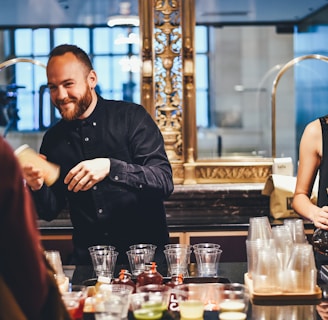
In the hospitality industry, creating memorable and meaningful guest experiences is paramount. To achieve this, it is essential to tap into various disciplines, primarily psychology and behavioral science. By understanding the underlying motivations and behaviors of guests, hospitality professionals can tailor services that not only meet but exceed expectations.
The Role of Psychology in Hospitality
Psychology plays a crucial role in crafting guest experiences. It allows hospitality providers to understand the emotional and cognitive processes that influence guest satisfaction. For instance, welcoming gestures, like a friendly smile or a personalized greeting, can significantly impact a guest's perception. By applying psychological principles, hotels can create an environment that fosters relaxation and comfort, encouraging guests to return.
Behavioral Science: Key to Anticipating Needs
Behavioral science further enhances the guest experience by providing insights into human behavior. By analyzing patterns and preferences, hospitality establishments can anticipate the needs of their guests. For example, if data indicates that guests prefer a certain type of cuisine, hotels can adjust their offerings accordingly. By integrating behavioral science, hospitality providers can also craft effective communication strategies that resonate with guests, enhancing their overall experience.
Implementing Hospitality Science for a Seamless Experience
Hospitality science combines elements of both psychology and behavioral science, offering a comprehensive framework for improving guest interactions. This can involve everything from the layout of a hotel lobby to how staff members are trained to engage with guests. Utilizing a scientific approach ensures that decisions made in hospitality are not just based on intuition but are grounded in research and data. This framework facilitates continuous improvement, ensuring that guest experiences are consistently elevated to new heights.
Elevating the guest experience in the hospitality sector is an ongoing journey that requires a deep understanding of psychology, behavioral science, and hospitality science. By employing these disciplines, professionals can create an environment that not only delights guests but also keeps them coming back for more. In an industry where competition is fierce, the ability to innovate and adapt to the needs of guests is a true hallmark of success.
Ellis Carter is a hospitality performance strategist specializing in the intersection of neuroscience, behavioral science, and guest experience design. With a background in applied cognitive science and operational consulting, Ellis studies how real-world service environments influence perception, decision-making, and loyalty in the restaurant, hotel, and travel & tourism industries.